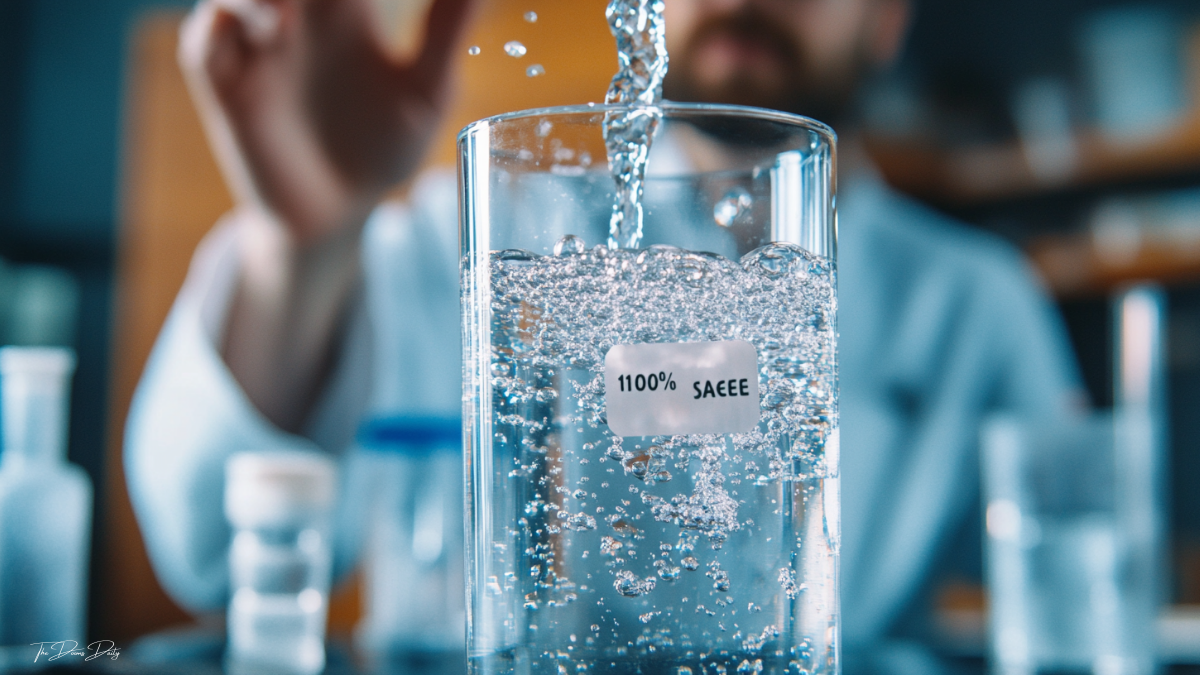
For decades, we’ve been told that drinking plenty of water is the key to health, glowing skin, and eternal youth (probably). But in recent months, a new concern has emerged: should we actually be worried about what’s in our drinking water? The answer, according to experts, depends entirely on how you define the word worried.
“We wouldn’t say the water is unsafe, exactly,” said Dr. Lisa Tapwater, a government health official whose job is to keep the public calm. “It’s more of a mystery what’s in there. And isn’t mystery what makes life exciting?”
The Ingredients No One Asked For
A recent independent study found that modern drinking water may contain a delightful cocktail of bonus ingredients, including:
- Microplastics – Because who wouldn’t want a little free plastic in their diet?
- Pharmaceutical Residues – For those who enjoy a surprise mix of caffeine, antidepressants, and birth control in every sip.
- Lead & Heavy Metals – Nothing says ‘strong bones’ like a touch of industrial waste!
“The good news is, the human body is very adaptable,” said Dr. Tapwater. “We’re confident that, in just a few short centuries, evolution will take care of any issues. Your great-great-grandchildren will probably be fine.”
Government Response: “Just Buy a Filter or Something”
When asked about potential solutions, officials suggested that concerned citizens could simply buy an expensive water filter, move to the mountains, or stop asking so many questions.
“We recommend investing in one of those elite, triple-purified, reverse-osmosis-filtered, UV-light-blasted water bottles that influencers swear by,” said one spokesperson, adjusting their gold-plated HydroFlask. “Of course, they cost about as much as a month’s rent, but hydration is priceless.”
For those unable to afford such luxuries, boiling water and whispering words of encouragement over it remains a recommended budget-friendly alternative.
Bottled Water: The “Better” Option?
Some have turned to bottled water as a solution, blissfully unaware that many brands just sell repackaged tap water at a 5000% markup.
“Well, yes, it’s the same water—but it’s been sitting in a plastic bottle for months, absorbing all that wonderful BPA flavor,” said a bottled water industry executive, probably while swimming in a pool of profits.
To combat growing concerns, brands are now rebranding their questionable water quality as a feature, with new slogans like:
“Now with EXTRA minerals!” (We just won’t tell you which ones!)
“Straight from nature… sort of.”
“Filtered by a guy named Dave—trust us.”
What Should You Do?
If you’re still concerned about your water quality, experts suggest the following:
Drink it anyway – Builds character.
Pretend ignorance – If you don’t test your water, how can you be upset about what’s in it?
Embrace dehydration – Risky, but at least you’ll avoid microplastics.
So, should you be worried? Maybe. Will you continue drinking it anyway?
Absolutely. Because at the end of the day, what’s a little heavy metal poisoning compared to the refreshing satisfaction of just staying hydrated?
What’s the weirdest thing you’ve heard about tap water? Do you trust your local supply, or are you already stockpiling overpriced bottled water? Share your thoughts in the comments—hydration is a group effort!