
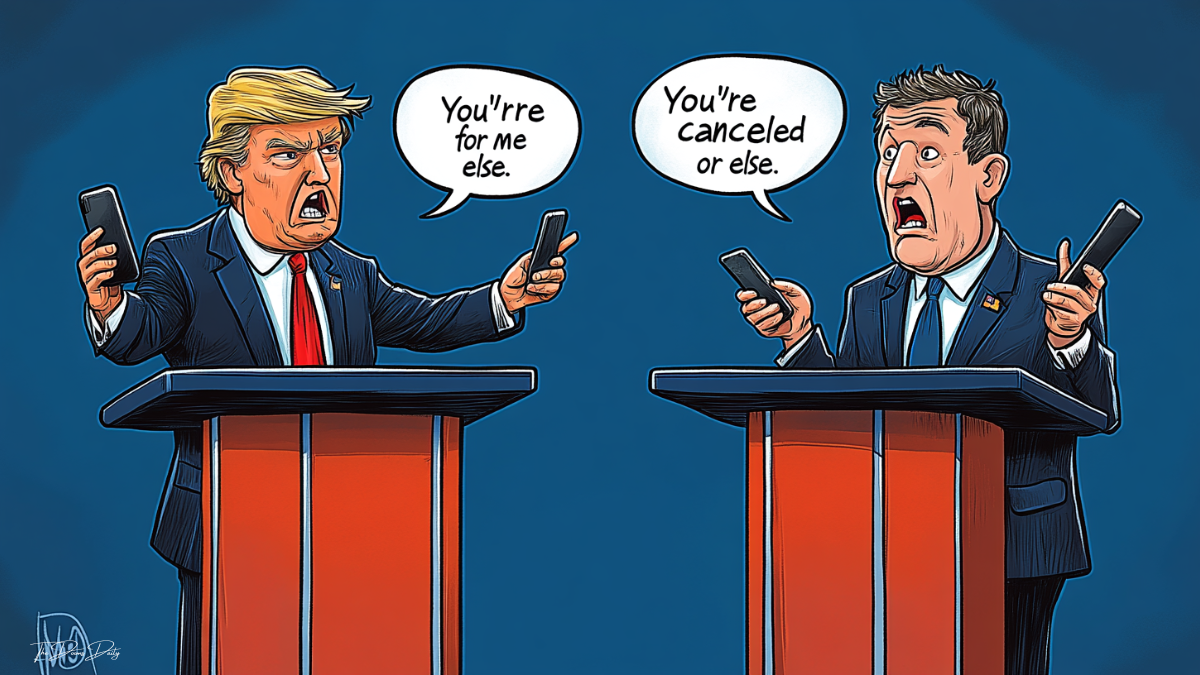
In the latest twist of global political theater, leaders around the world have adopted a bold new tactic for securing alliances: social media threats. Dubbed “social media diplomacy,” this innovative strategy involves turning every political disagreement into a public subtweet and any failed negotiation into a TikTok rant with ominous background music.
“Vote for our resolution at the UN or consider yourself unfollowed,” one prominent leader declared in a livestream. “We’ve had it with your vague posts about neutrality. Name names or prepare to be muted!” The audience was reportedly riveted, with several smaller nations scrambling to comment, “We’re with you, king 👑,” just to stay on good terms.
Meanwhile, bilateral relations have taken on the drama of a high school group chat. Rumors abound that one leader rage-quit a G7 WhatsApp group after discovering they were left on “read” during a heated debate over tariffs. Another reportedly switched their profile picture to a meme reading, “Don’t make me act up,” after a trade deal fell through.
Political analysts are divided over the impact of these tactics. Some believe that the sheer pettiness could escalate into global instability.
“When entire military alliances hinge on Instagram DMs, we’re in uncharted territory,” said one expert. Others argue it’s a breath of fresh air. “At least now we know what they’re thinking—because they’ll post about it 37 times a day,” said another.
The public seems equally divided. While some voters applaud the transparency of leaders broadcasting their every tantrum, others are exhausted by the relentless notifications. “I just wanted to watch cooking videos,” said one exasperated citizen. “Now I know more about trade sanctions than I ever wanted.”
And the movement isn’t stopping at diplomacy. One senator recently proposed a bill requiring political candidates to disclose their “blocklists” before elections. “If you’ve muted half the electorate, maybe you shouldn’t be running for office,” they argued.

